curatorial text
Por Lucía Savloff
Repertoire of scenes for an approach to the affective
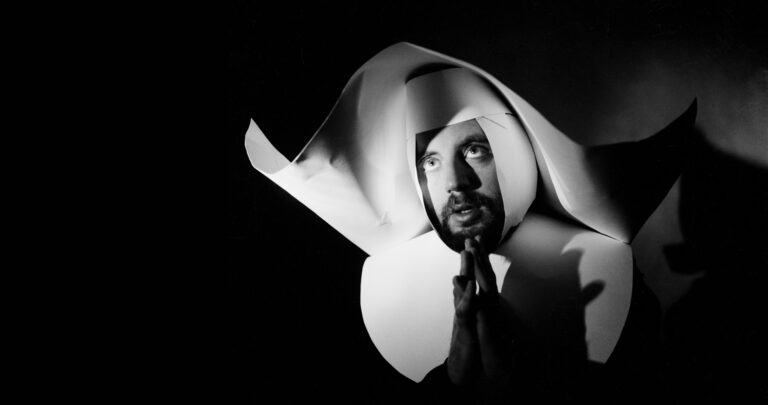
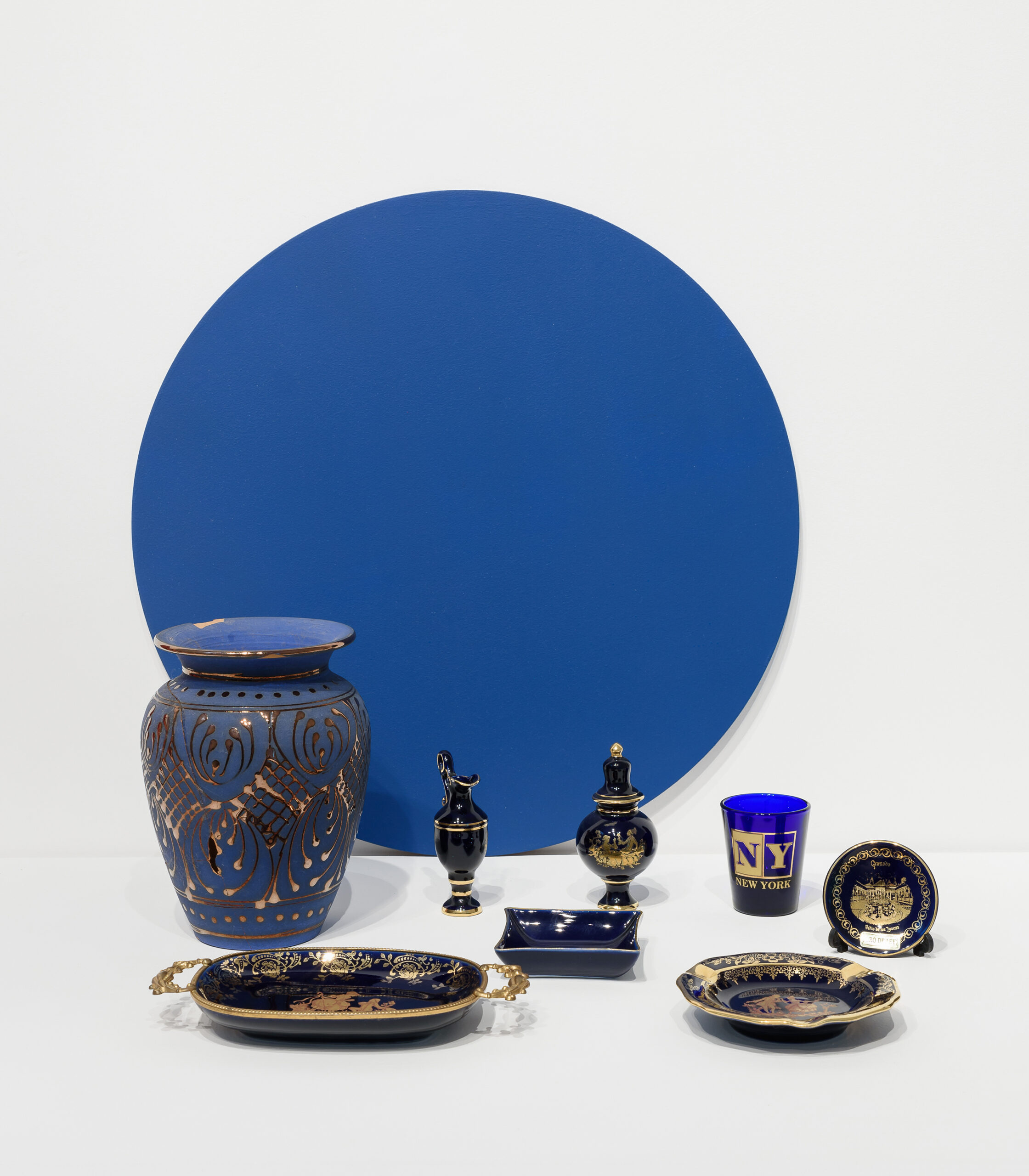
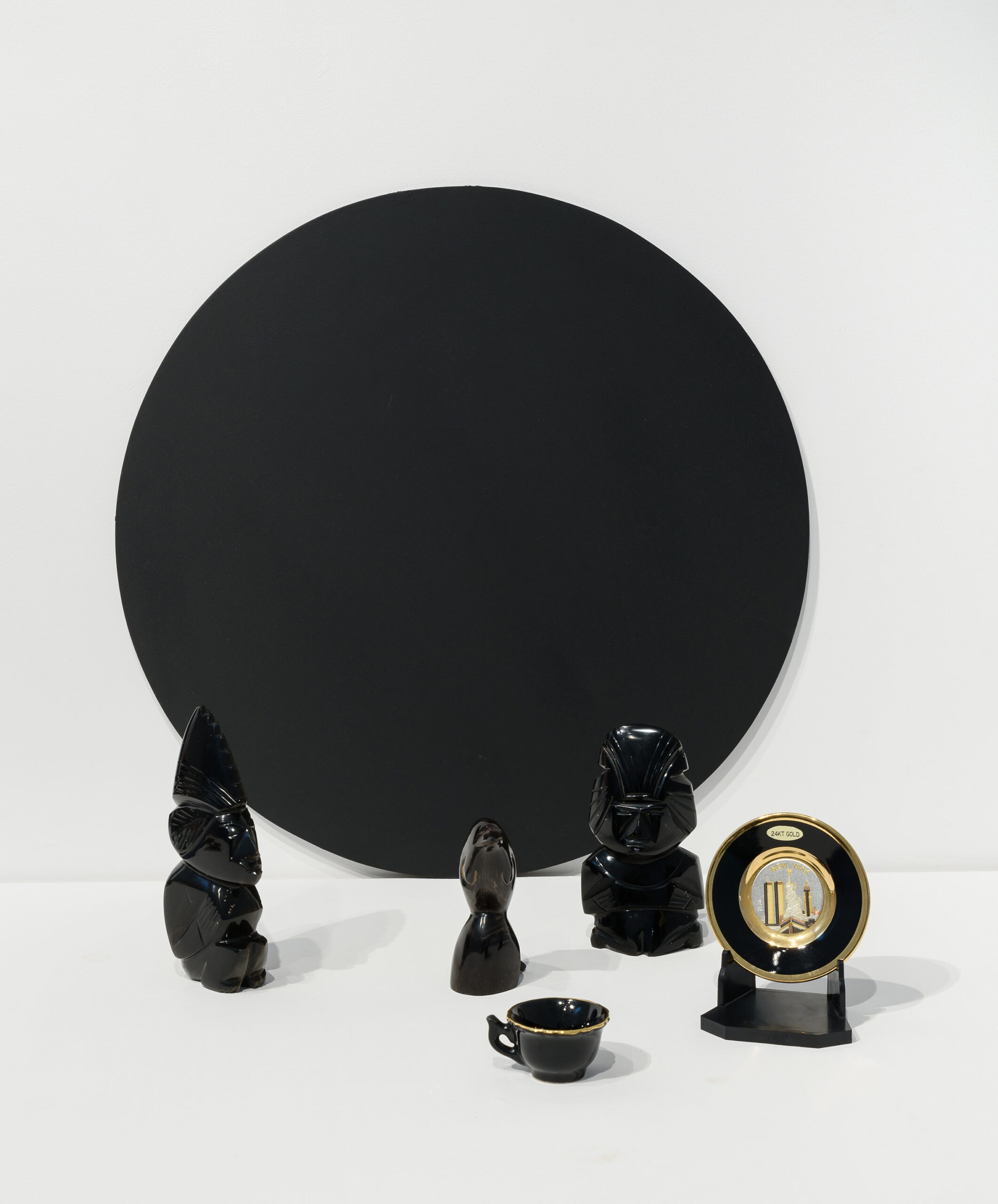
In About the affective distance of objects, Marcela Cabutti presents a set of performance actions that address the relationships between people and objects. Through filming and photoperformances, the exhibition unfolds a series of questions that the different scenes seek to answer: How to manage the weight of the affective dimension of objects from our history? What do we choose to keep and what not? How to go through that process?
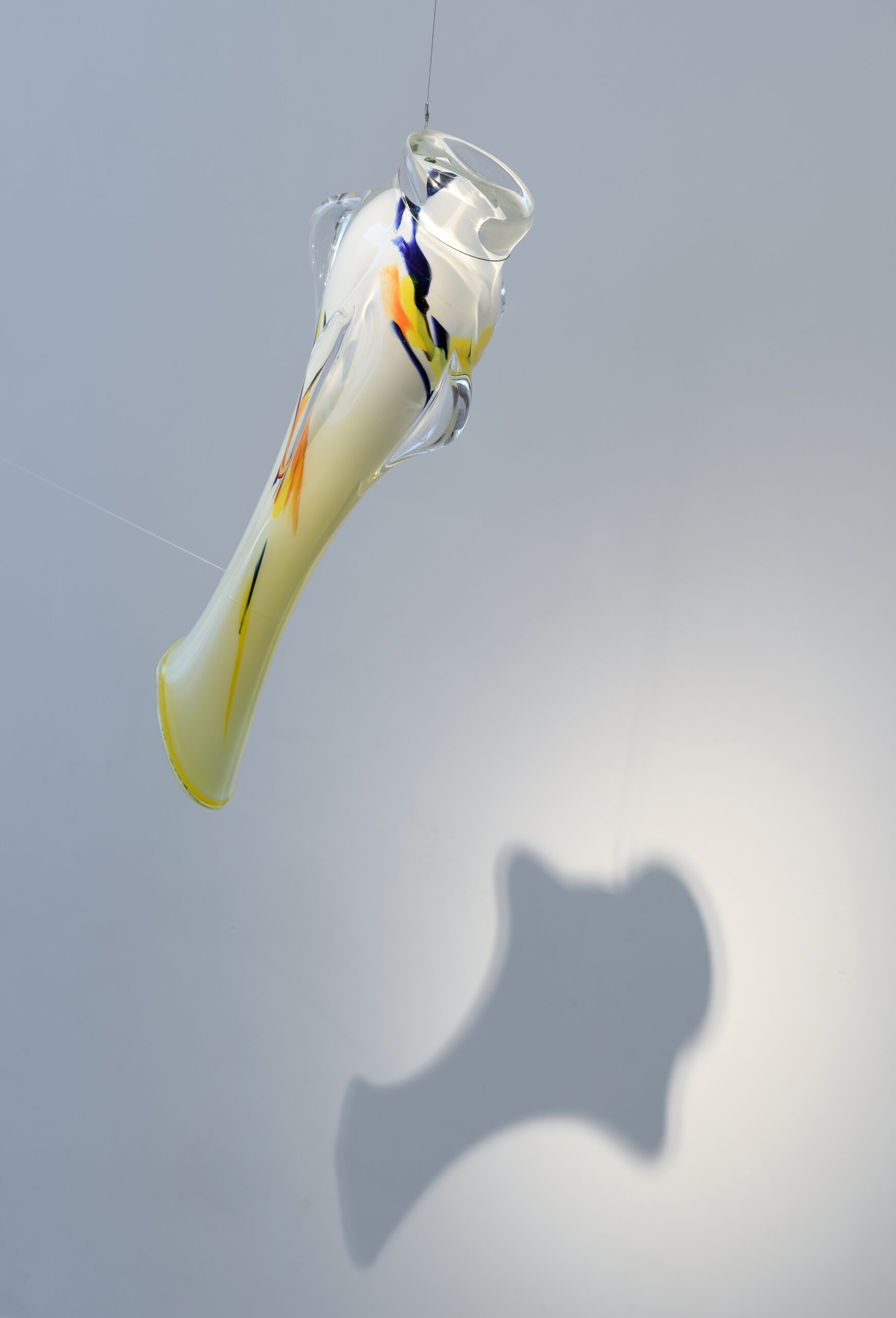
Throughout the exhibition we observe different tests and trials that, in Marcela Cabutti’s words, make up a “scene archive”: objects in suspension, some others set in motion, or subjected to different force, that oscillate in the air or come into contact. The exhibition proposal refers us from the laws of physics to the historical ones, both on the symbolic and affective dimension of things. I can hold an object to measure its weight, but how do we measure the weight of a thing when it arouses in us the emotional intensity of seeing in it the presence of those who have used and once loved it?
So, in a world where, as Jean Baudrillard points out, objects proliferate, the needs multiply and production accelerates both the birth and death of objects1: how thick can be the question about weight, resistance and life of things? Under the logic of consumption, things are quickly discarded and replaced. What do we miss when we perceive the objects that surround us as known entities, devoid of mystery? What is the role of memory and imagination in reestablishing that affective and sensitive connection with objects?
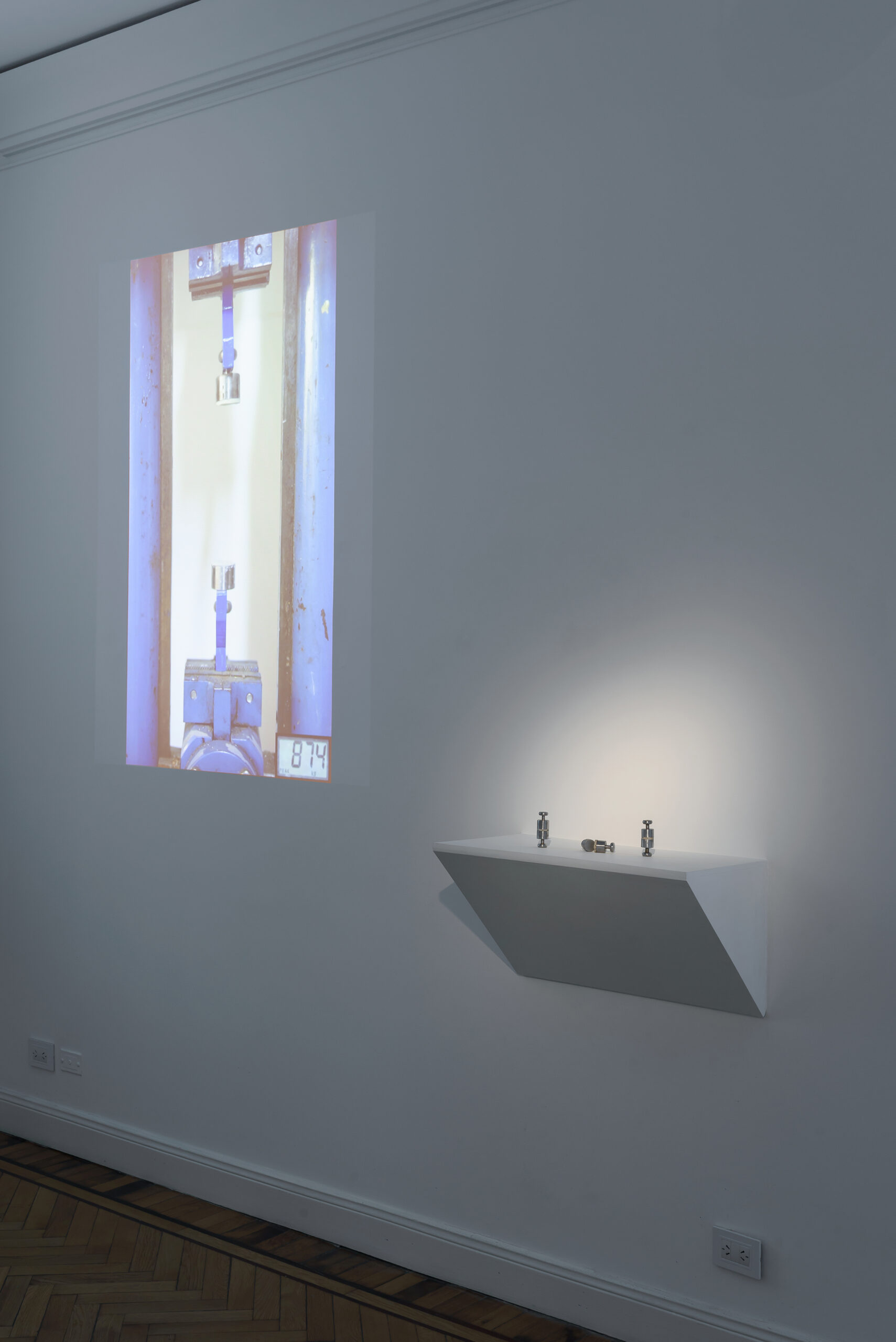
Let’s stop in front of one of the large tin containers that is exhibited in the room: crushed by extreme pressure that compressed them until it was reduced in its size. Thus folded, its interior glows. Attracted by its surface, we ignore where its constituent elements come from and, in general, the human actions that made it possible to be here. Objects retain traces of the economic and cultural relations that preceded them, natural, historical and social processes tie their existence to the world. In her previous works, Marcela Cabutti has explored the transformation processes of materials with great sensitivity, paying special attention to the knowledge accumulated in both trades and ways of doing. There is an ancestral memory that is activated in the meeting of bodies with matter. From this perspective, the filming of a tensile test carried out in an adhesive factory acquires multiple meanings. The machine will seek to separate two test pieces (small pieces of metal), while the display indicates the number of kilos-force supported by the joint before the break. Multiple questions are triggered regarding the intensity of the ties and the different types of breaks.
It is not casual that for the treatment of that subtle and invisible envelope that constitutes the affective senses with which we invest things, Marcela Cabutti makes an appeal to our bodies. According to Diana Taylor, performance strategies are deeply rooted in the Americas, in the form of actions or live acts that transmit social knowledge and collective memory. This project by Marcela Cabutti could be thought of as a repertoire, in the sense that Taylor uses the term, when it refers to the set of processes by which a body memory circulates through performances, gestures and narrations. According to the author, the repertoire is distinguished from the archive insofar as it provides access to ephemeral knowledge, whose transmission requires the presence of being there2.
The question about the affective distance we maintain with objects can be confronted with the distinction that Italian philosopher Remo Bodei establishes between the ideas of ‘thing’ and ‘object’ 3. According to Bodei, the term ‘object’, (from the Latin objectum, that which confronts the subject as a problem or obstacle), refers to those utensils of daily life that we treat with indifference, as mere goods with use or exchange value. On the contrary, the thing has a special meaning for the person who owns it, it carries an affective and intellectual sense. The notion of thing, then, would be broader than that of object since it would include a multiplicity of symbolic and cognitive meanings. Although this distinction is not visible in the approach of this exhibition, which preserves the daily equivalence between object and thing, Bodei’s proposal is suggestive when considering the affective dimension of objects. In this sense, the link that Bodei establishes with the collective is interesting, when he points out that the origin of the term thing comes from the Latin “cause”, that which we consider important to mobilize in its defense (to watch over something, fight for a cause). The thing is then associated with what concerns us and deserves to be discussed in public. While the tradition of the visual arts the term “object” has its own history, Cabutti preserves it and thus connects with a group of artists who have approached the object as material for conceptual and poetic exploration.
In this set of works Marcela Cabutti manipulates and arranges objects from her personal history. The filming “Shock” records two confronted people playing with a pair of objects suspended from the ceiling. Both hold and then release different objects that are thrown to meet. We see their trajectory and the moment they come into contact. A first reading can be seen there an iconoclastic gesture, the violence of destruction. However, Aldo Pellegrini already pointed out about the Destructive Art exhibition that “objects are broken or destroyed following internal laws of matter that compose them: their destruction reveals the secret of their essential structure”4. Can this staging about the end of life of objects be invested with other senses?
The actions are presented to us through the photographic and audiovisual record, the mediation accentuates its intimate quality. Like a rite of passage, thrown into space, things inhabit movement. Can you see in this gesture an opposite tone to the destructive one? Things, transformed by the encounter, float, surround themselves, avoid each other and finally rest, side by side, in a clear stillness. Perhaps what is moving in this scene is to see in that action a double gesture, a mixture of farewell and celebration. Or perhaps it is the attempt to deal with the anguish caused by the resounding fact that Borges points out in his poem “The things”: the confirmation that things will be more resistant than us and will survive us.
In this series of works, Marcela Cabutti continues to explore, through her unique treatment of physical and poetic materiality, new access routes to the deepest areas of life experience. His work addresses the affective dimension of existence, and renews the desire to establish a relationship with the world that privileges sensitive contact, making fiction and the poetic the ship that allows us to launch ourselves into the task of loving the world and life no matter what.
1 Baudrillard, Jean. El sistema de los objetos, 1972. Cited in: Bodei, Remo. La vida de las cosas, Buenos Aires, Amorrortu, 2013, p. 36.
2 Taylor, Diana. Performance, Buenos Aires, Asunto Impreso, 2012, p.155.
3 Bodei, Remo. La vida de las cosas, Buenos Aires, Amorrortu, 2013.
4 Pellegrini, Aldo. “Fundamentos de una estética de la destrucción”, 1961. In: Katzenstein, I. Escritos de vanguardia. Arte argentino de los años 60. Buenos Aires, Fundación Espigas, 2007, p. 32.

view more
exhibition

other exhibitions
Clorindo Testa · 08.05.2025 - 11.06.2025
Testa Capsule Biennial ’87

Emilio Pettoruti, Xul Solar · 13.11.2024 - 31.01.2025
New World

Greco, Paparella, Berni, Gallardo, B. Network, Renart, F. Dinasty, Peralta Ramos, G. Rubio, Kosice, García Miranda, Sánchez, Gumier Maier, De la Vega, Mabel, Mia Miguita Superstar, Lamborghini, P. Klenik, Lozza, Polesello · 28.02.2025 - 23.04.2025
The clash
Osvaldo Lamborghini · 15.08.2024 - 17.10.2024
Yo soy tu proveedora

Emilio Renart · 10.05.2024 - 29.07.2024
Constancy of the specie

Axel Straschnoy, Beto De Volder, Clorindo Testa, Emilio Pettoruti, Enio Iommi, Esteban Pastorino, Gyula Kosice, Manuel Espinosa, Marcela Cabutti, Matilde Marin, Rogelio Polesello, Romina Ressia, Romulo Macció · 12.12.2023 - 15.02.2024
Indefinit
Axel Straschnoy · 02.11.2023 - 29.12.2023
Brave the Heavenly Breezes
André Komatsu, Enio Iommi, Clorindo Testa · 23.08.2023 - 31.10.2023
Hiato
Mariela Vita · 12.07.2023 - 16.08.2023
GEJIGEJI
Polesello, Aizenbeg, Kosice, Vardanega, Le Parc, Iommi, Puente, Arden Quin, Espinosa, Demarco, Straschnoy, De Volder, Pastorino, Imola, Batistelli, Cabutti, Reyna · 09.02.2023 - 15.03.2023
Eléctrico/ ecléctico
Fabiana Imola & Aníbal Brizuela · 16.09.2022 - 02.12.2022
Inside, the shapes. They move alone
Romina Ressia · 09.06.2022 - 25.08.2022
Grow flowers
Martín Reyna · 11.03.2022 - 03.06.2022
Color in transit
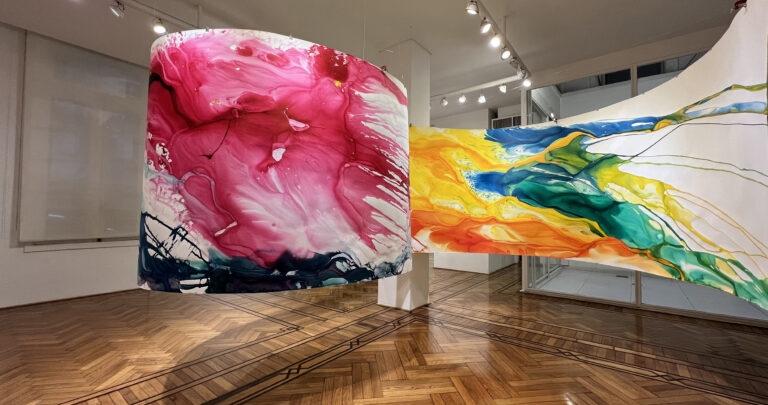
Matilde Marín · 08.02.2022 - 02.03.2022
25FPS

Clorindo Testa · 11.11.2021 - 31.01.2022
Testa, projects and other games

Cabutti, De Volder, Reyna, Imola, Ventoso, Ressia. · 05.10.2021 - 22.10.2021
Group Show 2021 II
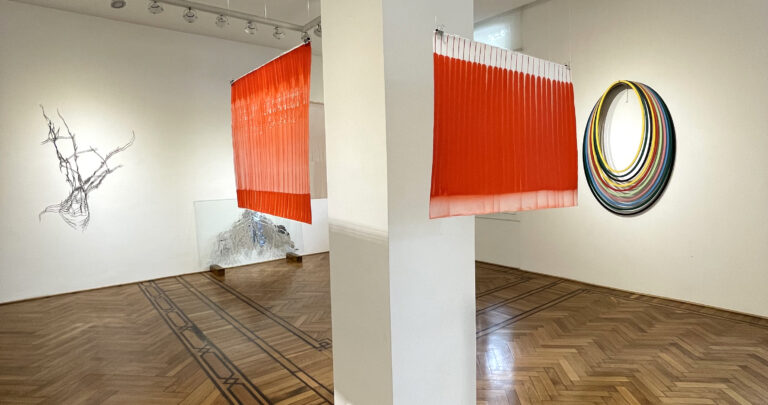
Matilde Marín · 23.07.2015 - 21.09.2015
Undetermined landscapes
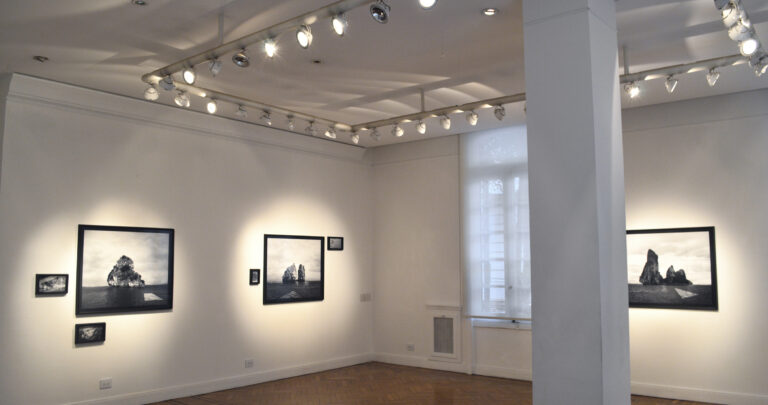
Marcela Cabutti · 16.07.2021 - 22.09.2021
Balcarce, topographic memories of a landscape

Benito Laren · 12.05.2012 - 22.06.2012
Casino
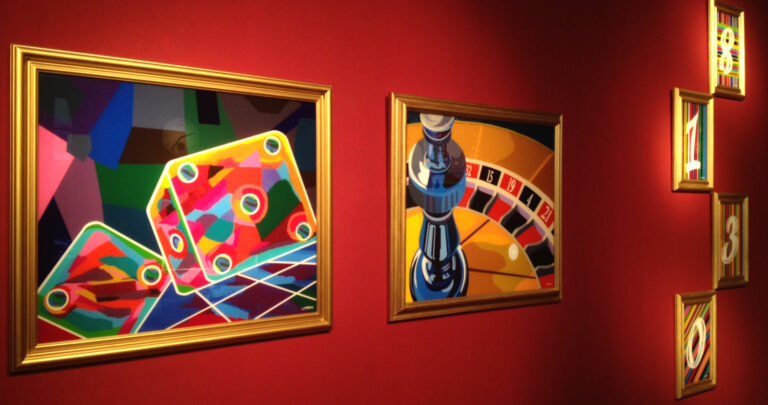
Lila Siegrist · 26.06.2012 - 27.08.2012
Vikinga Criolla
Cárdenas, Imola, Marin, Res, Sommerfelt, Ventoso · 10.08.2012 - 11.10.2012
Morphological confrontations
Martin Reyna · 20.09.2012 - 20.11.2012
Reyna in the horizon of color
Romina Orazi · 04.12.2012 - 04.02.2013
Subject to infinite division
Aizenberg, Boto, Espinosa, Iommi, Lozza, Le Parc, Kosice, Silva, Tomasello, Vardánega · 01.06.2013 - 31.07.2013
Dimensional
Antoniadis, Marín · 07.09.2013 - 07.11.2013
Double contrast
Andrés Sobrino · 28.03.2013 - 30.05.2013
Andrés Sobrino
Antoniadis, Cabutti, Laren, Reyna, Florido, Sobrino, Straschnoy, Tarazona, Ventoso · 20.12.2013 - 15.02.2014
Universus
Elena Dahn · 25.03.2014 - 26.05.2014
Elena Dahn

Marcela Cabutti · 15.07.2014 - 15.09.2014
Finding meaning through shapes

Axel Straschnoy · 12.11.2014 - 19.01.2015
La Figure de la Terre
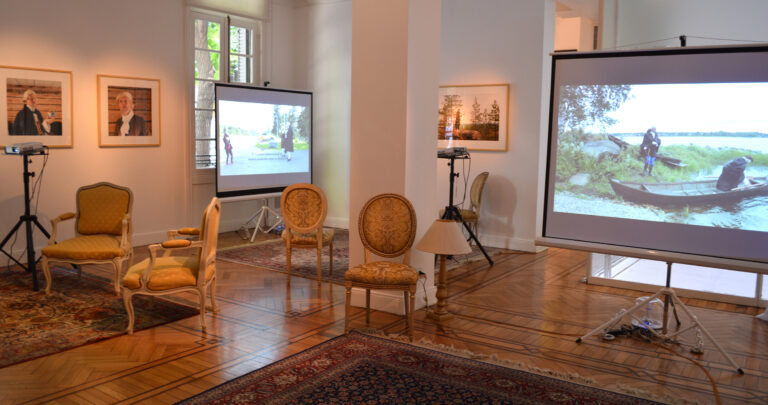
Fusilier, León, Quesada Pons y Vega · 15.03.2015 - 30.04.2015
Limbo

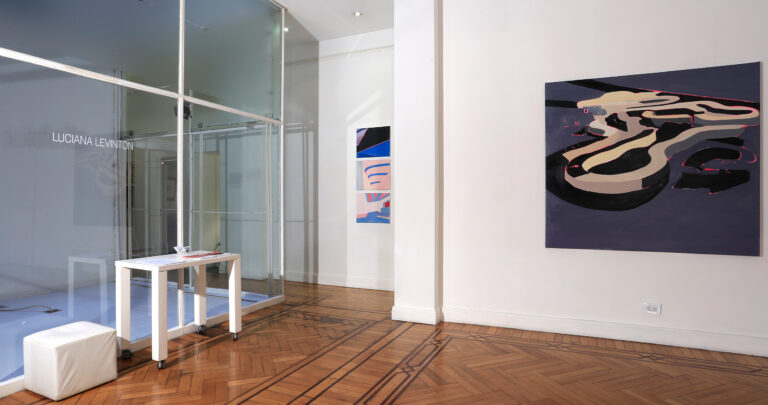
Luciana Levington · 28.05.2015 - 24.07.2015
Luciana Levinton
Leo Battitelli · 12.11.2015 - 12.01.2016
Gargalhadas

Hasper, Scafati · 10.02.2016 - 11.04.2016
Womens’ double
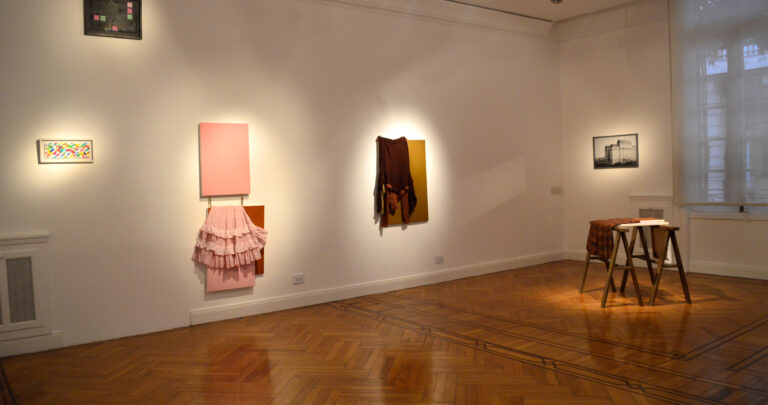
Axel Straschnoy · 12.05.2016 - 13.06.2016
Today, great tomorrow!, in the pines wind blows from the past.
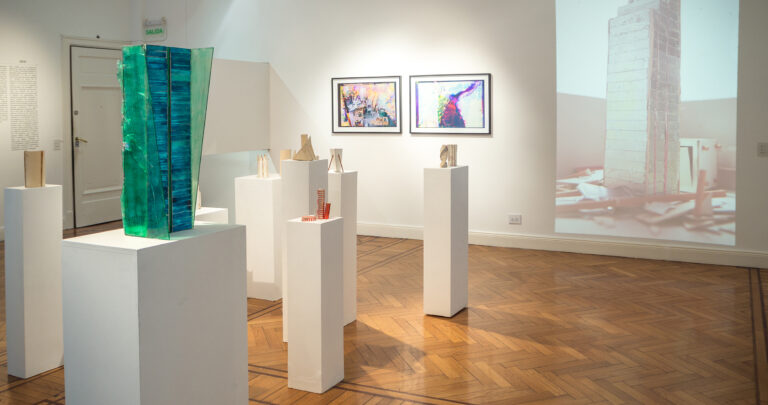
Arden Quin, Boto, Demarco, Espinosa, Iommi, Le Parc, Lozza, Polesello, Puente, Silva, Testa, Tomasello · 07.06.2016 - 05.08.2016
Masters of the avant-garde

De Volder, Sobrino · 11.08.2016 - 10.10.2016
Andres Sobrino and Beto De Volder
Battistelli, Cabutti, Cacchiarelli, Sobrino, De Volder · 02.01.2017 - 28.02.2017
2017 Group Show
Fabiana Imola · 28.02.2017 - 14.04.2017
The forest, the rain and other scenes
Alberto Heredia · 06.09.2017 - 11.10.2017
Alberto Heredia
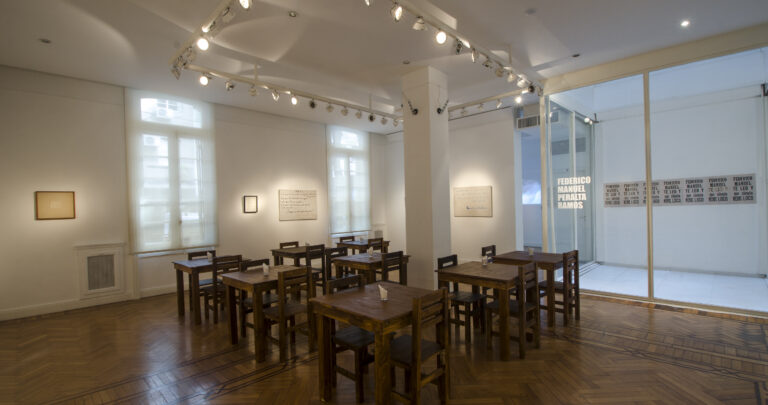
Federico Manuel Peralta Ramos · 31.10.2017 - 29.12.2017
Federico Manuel Peralta Ramos
Luciana Rondolini · 15.02.2018 - 15.04.2018
End
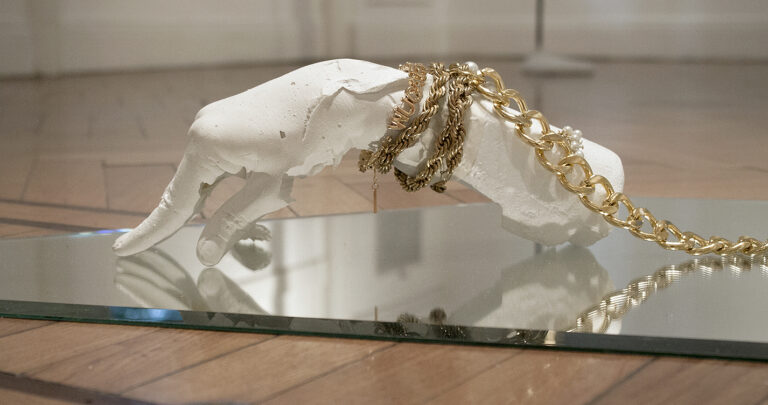
Estanislao Florido · 27.04.2018 - 01.07.2018
The disenchanted object
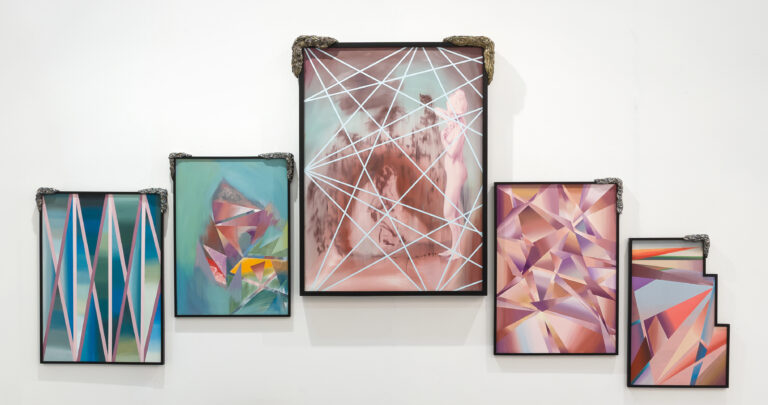
Battistelli, Cabutti, Marín, Straschnoy, Ventoso, De Volder · 06.07.2018 - 31.08.2018
2018 Group Show

Rogelio Polesello · 06.09.2018 - 20.12.2018
Vortex
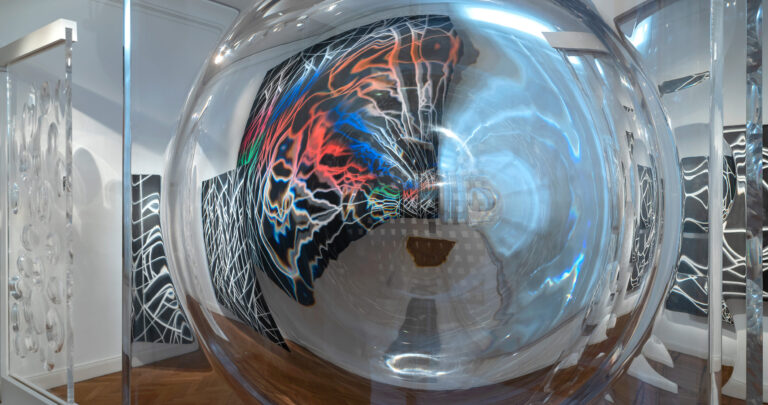
Cabutti, Imola, Marín, Reyna, Rondolini, Straschnoy, De Volder · 27.02.2019 - 03.04.2019
2019 Group Show

Alberto Greco · 04.04.2019 - 31.08.2019
The bad handwriting
Matilde Marín · 25.09.2019 - 31.12.2019
As the blue smoke of Ítaca is spotted

Esteban Pastorino · 10.09.2020 - 29.01.2021
Pastorino
Marín, Imola, De Volder, Reyna, Florido, Straschnoy, Pastorino · 08.02.2021 - 01.04.2021
2021 Group Show
Alberto Greco · 06.04.2021 - 30.06.2021
LA PITTURA È FINITA. Poses and impostures of Alberto Greco in Italy